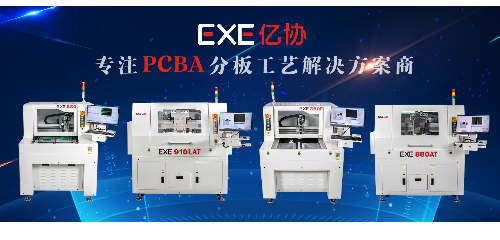
Innovative PCB Routing Machines: Pushing the Boundaries of Circuit Board Fabrication
In the dynamic realm of electronics, printed circuit boards (PCBs) stand as the backbone of countless devices, from smartphones and laptops to advanced medical equipment and aerospace systems. The evolution of PCB technology has been nothing short of remarkable, and at the heart of this progress lies the continuous innovation in PCB routing machines. These sophisticated pieces of equipment are not only redefining the art of circuit board fabrication but are also pushing the boundaries of what's possible in terms of precision, speed, and complexity.
I. Understanding the Basics of PCB Routing
A. The Routing Process
PCB routing is a critical step in the circuit board manufacturing process. It involves the removal of unwanted material from a PCB substrate to create precise pathways for electrical connections, known as traces. In the past, this was a painstaking task often carried out manually or with relatively basic machinery. However, modern PCB routing machines have transformed this process into a highly automated and accurate operation.
The routing machine uses a rotating cutting tool, typically a carbide - tipped router bit, to precisely cut through the PCB material, which can be a variety of substances such as fiberglass - reinforced epoxy resin (FR - 4), polyimide, or even ceramic in some high - performance applications. The machine is guided by a computer - aided design (CAD) file, which contains the detailed layout of the PCB. This CAD file is translated into a series of commands that control the movement of the router bit in three - dimensional space, allowing for the creation of intricate patterns and complex geometries.
B. Traditional Limitations
Before the advent of innovative PCB routing machines, the PCB fabrication process was plagued with several limitations. Manual routing was extremely time - consuming and highly dependent on the skill of the operator. Even with early automated machines, achieving high levels of precision was a challenge. The cutting tools often suffered from wear and tear, leading to inconsistent cuts and the need for frequent bit replacements.
Moreover, the ability to create complex circuit board designs was restricted. As electronics became smaller and more powerful, the demand for PCBs with finer traces, smaller vias (holes that connect different layers of the PCB), and more intricate patterns grew exponentially. Traditional routing machines struggled to meet these requirements, which hindered the development of advanced electronic devices.
II. Innovations in PCB Routing Machines
A. Advanced Cutting Tools and Materials
Diamond - Coated Router Bits
One of the significant innovations in PCB routing machines is the use of diamond - coated router bits. These bits offer several advantages over traditional carbide - tipped bits. Diamond is an extremely hard material, which means that diamond - coated bits can maintain their sharpness for much longer periods. This results in more consistent cuts and reduces the frequency of bit replacements. In addition, diamond - coated bits can cut through a wider range of PCB materials, including those with high - hardness or abrasive properties, such as ceramic - based PCBs. This enables the fabrication of PCBs for applications in harsh environments, like aerospace and automotive electronics.
Abrasive Waterjet Technology
Another innovative cutting method is the use of abrasive waterjet technology in PCB routing machines. In this process, a high - pressure stream of water mixed with abrasive particles, such as garnet, is directed at the PCB surface. The abrasive particles in the waterjet erode the PCB material, allowing for precise cutting. Abrasive waterjet routing is particularly useful for cutting delicate or brittle materials, as it generates less heat and mechanical stress compared to traditional routing methods. This makes it ideal for fabricating PCBs with sensitive components or for applications where minimizing damage to the substrate is crucial, such as in medical device electronics.
B. Precision and Accuracy Enhancements
High - Resolution Motion Control Systems
Innovative PCB routing machines are equipped with high - resolution motion control systems. These systems use advanced servo motors and precision ball screws to achieve extremely accurate movement of the router bit. For example, some state - of - the - art machines can position the router bit with a resolution of up to 0.001 mm. This level of precision allows for the creation of ultra - fine traces and vias, which are essential for modern high - density interconnect (HDI) PCBs. The high - resolution motion control also ensures that the cuts are clean and accurate, reducing the likelihood of errors and improving the overall quality of the circuit board.
Optical Alignment and Inspection Systems
To further enhance precision, many PCB routing machines now incorporate optical alignment and inspection systems. These systems use cameras and sensors to detect the position of the PCB and the router bit in real - time. Before routing, the optical system aligns the PCB to ensure that the cuts are made in the correct location. During the routing process, the inspection system monitors the quality of the cuts, detecting any deviations or defects. If an issue is detected, the machine can automatically adjust the routing parameters or stop the process to prevent further damage. This closed - loop feedback system significantly improves the accuracy and reliability of the PCB routing process.
C. Automation and Connectivity
Automated Loading and Unloading
Modern PCB routing machines are increasingly automated, with features such as automated loading and unloading of PCB panels. This eliminates the need for manual handling of the PCBs, which not only saves time but also reduces the risk of damage to the boards. Automated loading systems can precisely position the PCB panels in the routing machine, ensuring consistent alignment for each board. After routing, the automated unloading system can transfer the finished PCBs to the next stage of the manufacturing process, such as soldering or testing. This seamless integration of automated processes increases the overall productivity of the PCB fabrication line.
Industry 4.0 Connectivity
PCB routing machines are also embracing the concept of Industry 4.0 by incorporating connectivity features. These machines can be connected to a factory's network, allowing for remote monitoring and control. Operators can access the machine's status, adjust routing parameters, and receive alerts about maintenance needs from anywhere in the world. In addition, the machine can communicate with other manufacturing equipment, such as solder paste printers and pick - and - place machines, to create a fully integrated and automated manufacturing ecosystem. This connectivity enables better production planning, reduced downtime, and improved overall efficiency in PCB fabrication.
III. Impact on Circuit Board Fabrication
A. Enabling Smaller and More Complex Designs
The innovations in PCB routing machines have had a profound impact on the design and fabrication of circuit boards. The ability to create ultra - fine traces and vias has enabled the development of smaller and more compact PCBs. In smartphones, for example, the use of innovative routing machines has allowed manufacturers to pack more components into a smaller space, leading to thinner and more powerful devices.
Moreover, the enhanced precision and accuracy of modern routing machines have made it possible to create highly complex circuit board designs. PCBs for advanced computing systems, such as high - performance graphics cards and server motherboards, often feature intricate routing patterns and multiple layers of interconnects. These complex designs require the utmost precision in routing, which can now be achieved with the latest generation of PCB routing machines.
B. Improving Production Efficiency and Cost - Effectiveness
Automation and advanced cutting tools in PCB routing machines have significantly improved production efficiency. The automated loading and unloading systems, along with high - speed routing capabilities, allow for faster processing of PCB panels. In addition, the longer lifespan of innovative cutting tools, such as diamond - coated router bits, reduces the downtime associated with bit replacements.
Furthermore, the enhanced precision and accuracy of these machines result in fewer defective PCBs. This reduces the need for rework and scrap, ultimately lowering the overall cost of PCB fabrication. The connectivity features of Industry 4.0 - enabled routing machines also contribute to cost - effectiveness by optimizing production planning and reducing maintenance costs through predictive maintenance.
C. Driving Innovation in Electronics
The advancements in PCB routing machines are not only revolutionizing circuit board fabrication but are also driving innovation in the electronics industry as a whole. The ability to fabricate smaller, more complex, and higher - quality PCBs has opened up new possibilities for the development of advanced electronic devices. For instance, in the field of Internet of Things (IoT) devices, the need for small, low - power, and highly integrated PCBs is crucial. Innovative PCB routing machines are enabling the mass production of such PCBs, which is essential for the widespread adoption of IoT technology.
In conclusion, innovative PCB routing machines are at the forefront of pushing the boundaries of circuit board fabrication. Through advancements in cutting tools, precision enhancements, and automation, these machines are enabling the creation of smaller, more complex, and cost - effective PCBs. As technology continues to evolve, PCB routing machines will play an increasingly vital role in driving innovation in the electronics industry, shaping the future of electronic devices in countless applications.