Unlock the Potential of PCB Router Machine: Open a New Chapter in PCB Fabrication
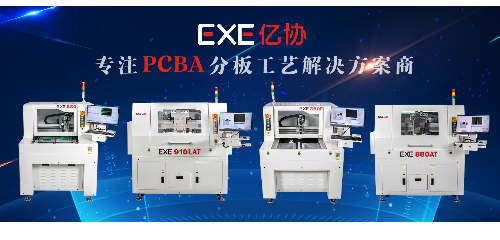
In the fast - paced world of electronics manufacturing, printed circuit boards (PCBs) are the backbone of countless devices, from smartphones and laptops to complex industrial equipment. Among the various tools and technologies involved in PCB production, the PCB router machine stands out as a critical asset. Unleashing its full potential can truly open a new chapter in PCB fabrication, bringing about significant improvements in efficiency, precision, and product quality.
The Limitations of Traditional PCB Fabrication Methods
Manual and Semi - Automatic Processes
In the early days of PCB manufacturing, much of the work was carried out manually or with semi - automatic equipment. Workers would use simple cutting tools or basic milling machines to shape the PCB boards. This approach was extremely labor - intensive, requiring a high level of skill and concentration from the operators. For example, when creating the intricate shapes and precise holes on a PCB, manual or semi - automatic methods often led to inconsistent results. Minor errors in measurement or operation could result in defective PCBs, increasing production costs and waste.
Low Precision and Limited Complexity
Traditional methods also had limitations in terms of precision. The tolerances achievable were relatively large compared to modern standards, which was a major drawback, especially for high - density interconnect (HDI) PCBs. These advanced PCBs require extremely accurate routing to accommodate the miniaturized components and complex circuitry. Additionally, the complexity of designs that could be realized was restricted. Creating complex 3D - shaped PCBs or those with multiple layers and fine - pitch traces was a challenging task, often beyond the capabilities of traditional fabrication techniques.
Slow Production Speeds
The production speed of traditional PCB fabrication methods was relatively slow. Each step in the process, from cutting the board to drilling holes and milling the traces, took a significant amount of time. In a competitive market where time - to - market is crucial, slow production speeds could put manufacturers at a disadvantage. It was difficult to meet the increasing demands for large - scale production of high - quality PCBs in a timely manner.
The Revolutionary Potential of PCB Router Machines
High - Precision Milling
Modern PCB router machines are equipped with advanced servo - motor - driven systems and high - precision spindles. These components enable the machine to achieve micron - level accuracy during the routing process. For instance, when creating the narrow traces on a PCB, the router machine can precisely control the cutting tool's movement, ensuring that the width and depth of the traces are consistent across the board. This high - precision milling is essential for the proper functioning of high - speed and high - frequency circuits, as even the slightest deviation in the trace dimensions can affect signal integrity.
Versatile Design Capabilities
PCB router machines offer remarkable versatility in terms of design. They can handle a wide range of PCB materials, including FR - 4, polyimide, and flexible substrates. Moreover, they are capable of creating complex 2D and 3D shapes. Using computer - aided design (CAD) and computer - aided manufacturing (CAM) software, designers can create intricate PCB designs that were previously unfeasible. The router machine can then translate these digital designs into physical PCBs with high accuracy, allowing for the integration of innovative features such as embedded components and through - silicon vias (TSVs) in advanced PCB designs.
Automated and High - Speed Production
One of the most significant advantages of PCB router machines is their ability to automate the production process. Once the design is input into the machine's control system, it can perform a series of operations, including cutting, drilling, and milling, without the need for constant manual intervention. This not only reduces the risk of human error but also significantly increases production speed. High - speed spindles and rapid - movement axes enable the router machine to complete each operation quickly, allowing for the mass production of PCBs in a short period. For example, in a large - scale electronics manufacturing facility, a fleet of PCB router machines can produce thousands of high - quality PCBs per day, meeting the demands of the market efficiently.
Real - World Applications and Success Stories
In the Smartphone Industry
Smartphones are some of the most complex electronic devices, with PCBs that need to pack a vast amount of functionality into a small space. PCB router machines play a crucial role in the production of smartphone PCBs. For example, a leading smartphone manufacturer uses high - end PCB router machines to create the multi - layer, high - density PCBs for their latest models. These machines are able to precisely mill the fine traces and drill the tiny vias required for the advanced circuitry, ensuring that the smartphones can operate at high speeds and offer a seamless user experience. The use of PCB router machines has also allowed the manufacturer to reduce production time and cost, while improving the overall quality of the PCBs.
In Aerospace and Defense Electronics
In the aerospace and defense industries, the reliability and performance of PCBs are of utmost importance. PCB router machines are used to produce PCBs that can withstand extreme environmental conditions, such as high temperatures, vibrations, and radiation. A defense contractor, for instance, relies on PCB router machines to create custom - designed PCBs for their military communication systems. The high - precision capabilities of the router machines ensure that the PCBs are built to exacting standards, providing reliable performance in the field. The ability to quickly produce high - quality PCBs also allows the contractor to respond promptly to the changing needs of the defense sector.
Unlocking the potential of PCB router machines is not just a technological advancement; it is a game - changer for the PCB fabrication industry. By overcoming the limitations of traditional methods and offering high - precision, versatile, and automated production, these machines are opening up new possibilities for innovation in electronics manufacturing. As technology continues to evolve, PCB router machines will undoubtedly play an even more significant role in shaping the future of PCB fabrication.