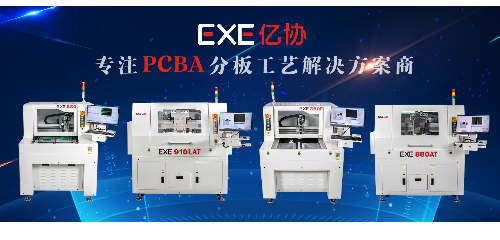
PCB router machines are widely used in modern SMT production lines and electronics manufacturing. They perform high-precision depaneling of PCBs—separating individual circuit boards from a panel or array safely, efficiently, and without damage.
Below are their main applications:
1. PCB Depaneling in SMT Production Lines
The most common application is separating PCBA panels after SMT assembly:
Cutting stamped panels, V‑cut panels, and bridge‑type panels
Suitable for rigid PCBs, flexible boards, and rigid‑flex boards
Minimizes stress to avoid component damage
High speed supports mass production
2. Precision Cutting and Trimming
PCB routers are used for high‑precision processing:
Trimming board edges and excess materials
Cutting special shapes, notches, and slots
Removing burrs and unnecessary areas
Ensuring consistent board size and appearance
3. High‑Mix, Low‑Volume Production
Modern CNC PCB routers support flexible production:
Quick program switching for different products
No need for changing molds
Ideal for prototype making and small batches
Reduces preparation time and cost
4. Electronic Product Assembly
Used in the manufacturing of various electronic devices:
Mobile phones, tablets, and wearable devices
Automotive electronics and control modules
Consumer electronics and home appliances
Industrial control boards and communication equipment
5. Improving Production Quality & Stability
Compared with manual breaking or traditional cutting:
Lower mechanical stress on components
Less vibration, preventing solder joint cracking
Higher precision and better consistency
Fewer defects and higher yield
6. Automated Production Integration
PCB router machines can be integrated into smart factories:
Connect with conveyors, loaders, and unloaders
Support automatic feeding and collection
Compatible with MES systems for data monitoring
Realize fully automatic depaneling process
Conclusion
PCB router machines have become essential equipment in SMT and electronics manufacturing. They improve efficiency, ensure quality, reduce failure rates, and support the stable production of high‑precision electronic products.