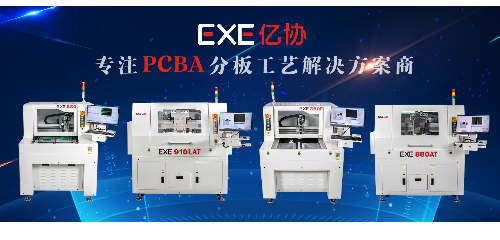
Unlocking the Secrets of PCB Depaneling Machine: The Core Key to Efficient Depaneling
In the fast - paced world of electronics manufacturing, Printed Circuit Boards (PCBs) are the lifeblood of countless devices. Once PCBs are assembled with components, they often come in panel form, which must be separated into individual boards for further use. This is where the PCB depaneling machine steps in, and understanding its inner workings is the core key to achieving efficient depaneling.
Advanced Cutting Technologies
Mechanical V - Groove Cutting
One of the most common depaneling methods employed by PCB depaneling machines is mechanical V - groove cutting. This technology relies on a specialized cutting tool, usually a carbide - tipped router bit. The machine is programmed to follow a pre - defined V - groove pattern that was previously milled on the PCB panel during the manufacturing process. As the router bit moves along the V - groove, it precisely separates the individual PCBs. The advantage of this method lies in its cost - effectiveness and relatively simple setup. It can handle a wide range of PCB materials, including fiberglass - based boards, which are prevalent in the industry. For small - to - medium - scale electronics manufacturers, mechanical V - groove cutting in a depaneling machine offers a reliable way to achieve clean and accurate cuts. However, it's important to note that the cutting speed is somewhat limited to prevent excessive vibration and potential damage to the PCB components.
Laser Depaneling
Laser technology has revolutionized PCB depaneling in recent years. Laser - equipped depaneling machines use a high - energy laser beam to vaporize the PCB material along the separation line. The process is highly precise, with the ability to achieve cuts with micron - level accuracy. This makes it ideal for high - density PCBs where traditional mechanical methods might pose a risk of damaging delicate components. Lasers can also cut through a variety of materials, including flexible PCBs, which are becoming increasingly popular in wearable electronics and other applications. The non - contact nature of laser depaneling reduces the risk of mechanical stress on the PCB, resulting in a higher - quality end - product. Additionally, laser depaneling machines can operate at high speeds, significantly increasing production throughput. However, the initial investment in laser - based depaneling equipment is relatively high, and the operating costs, such as laser source maintenance and power consumption, need to be carefully considered.
Die - Cutting
Die - cutting is another technique utilized in some PCB depaneling machines, especially for high - volume production. In this method, a custom - made die, typically made of hardened steel, is used to punch out individual PCBs from the panel. The die is designed to match the exact shape of the PCB, ensuring a precise and consistent cut. Die - cutting is extremely fast and can handle large - scale production runs with ease. It is well - suited for simple - shaped PCBs where the design doesn't change frequently. However, the cost of manufacturing a custom die can be substantial, making it less practical for low - volume or prototype production. Moreover, die - cutting may not be suitable for PCBs with complex geometries or those containing sensitive components, as the punching process can generate shockwaves that could potentially damage the components.
Precision - Oriented Design Features
Automated Alignment Systems
To ensure accurate depaneling, modern PCB depaneling machines are equipped with advanced automated alignment systems. These systems use a combination of cameras, sensors, and software algorithms. Before the depaneling process begins, cameras capture images of the PCB panel, identifying fiducial marks or other reference points. The software then analyzes these images and calculates the precise position and orientation of the panel. Based on this information, the machine's motion control system adjusts the position of the cutting tool or die to ensure that the cuts are made exactly where they are supposed to be. This automated alignment feature is crucial, especially when dealing with high - precision PCBs where even a slight misalignment could render the individual boards unusable. It also reduces the need for manual intervention, increasing the overall efficiency of the depaneling process.
Anti - Vibration and Anti - Shock Mechanisms
During the depaneling process, vibrations and shocks can occur, which may damage the PCB components. To address this issue, PCB depaneling machines are designed with various anti - vibration and anti - shock mechanisms. Some machines use vibration - isolating mounts to minimize the transfer of vibrations from the cutting process to the PCB panel. Additionally, shock - absorbing materials are incorporated into the machine's structure, especially in areas where the cutting tool or die comes into contact with the panel. In mechanical cutting methods, such as V - groove cutting, the speed and feed rate of the cutting tool are carefully controlled to reduce vibrations. In laser depaneling, the laser beam is pulsed in a way that minimizes the impact on the PCB. These anti - vibration and anti - shock mechanisms play a vital role in maintaining the integrity of the PCBs during depaneling, ensuring that the assembled components remain undamaged and the functionality of the boards is not compromised.
Applications in Diverse Electronics Sectors
Consumer Electronics
In the consumer electronics industry, where products are constantly evolving and demand is high, PCB depaneling machines are essential. From smartphones and tablets to laptops and smart home devices, all these products rely on PCBs. The ability of depaneling machines to quickly and accurately separate PCBs from panels is crucial for meeting production targets. For example, in the production of smartphones, high - density PCBs with complex circuitry need to be depaneled with extreme precision to ensure the proper functioning of the device. The use of advanced depaneling technologies, such as laser depaneling, allows for the creation of smaller, more compact PCBs, which are highly desirable in consumer electronics for their space - saving and performance - enhancing capabilities.
Automotive Electronics
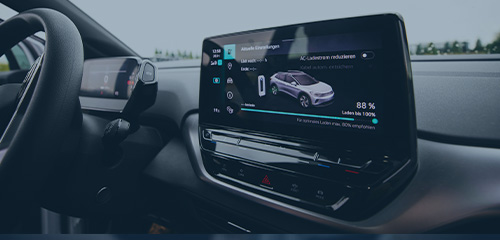
Automotive electronics is another sector that heavily depends on PCBs. PCBs are used in various automotive systems, including engine control units, infotainment systems, and advanced driver - assistance systems (ADAS). The reliability of these PCBs is of utmost importance, as any failure can have serious consequences. PCB depaneling machines in the automotive industry must meet strict quality standards. Mechanical V - groove cutting and die - cutting are commonly used in automotive electronics production due to their reliability and ability to handle the relatively large - sized PCBs often found in automotive applications. The precision and consistency offered by depaneling machines ensure that the PCBs used in automotive systems are of high quality, contributing to the overall safety and performance of the vehicle.
Unlocking the secrets of the PCB depaneling machine, from its advanced cutting technologies to its precision - oriented design features and wide - ranging applications, reveals its significance as the core key to efficient depaneling in the electronics manufacturing industry. By understanding and leveraging these aspects, manufacturers can enhance their production processes, improve product quality, and stay competitive in the ever - changing electronics market.